








Creating a relaxing home office space is essential for maintaining productivity and well-being while working from home. With many people spending more time in their home workspaces, it’s important to cultivate an environment that feels calm, comfortable, and inspiring. Whether you have a dedicated room or a small corner, these tips can help you design a home office where you can focus and unwind.
Why a Relaxing Home Office Matters
Working in a cluttered or stressful environment can negatively affect your concentration, creativity, and mood. A well-designed office space encourages focus, reduces anxiety, and makes your workday more enjoyable. Even small changes can make a big difference, improving your motivation and overall satisfaction.
Choose the Right Location
Consider Natural Light
Whenever possible, position your desk near a window to take advantage of natural light. Sunlight can boost your mood and help regulate your internal clock. If natural light is limited, invest in good quality lighting that mimics daylight to reduce eye strain.
Minimize Distractions
Select a quiet spot in your home where you feel separate from daily household activities. Avoid areas with high traffic or noise. If needed, use noise-cancelling headphones or a white noise machine to maintain focus.
Invest in Comfortable Furniture
Ergonomic Chair and Desk
Comfort is key for long work hours. Choose an ergonomic chair that supports your back and encourages good posture. Match it with a desk at the right height to keep your wrists and arms comfortable while typing.
Adjustable Setup
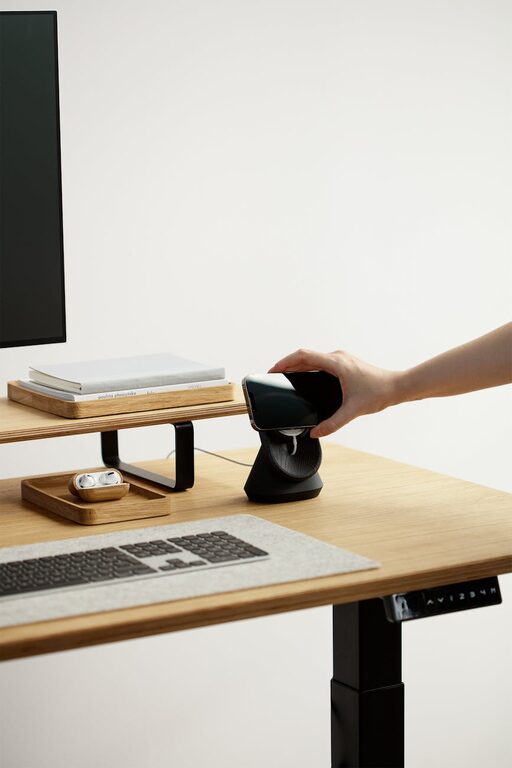
Consider furniture that allows adjustments in height or angle. Sit-stand desks can offer flexibility and reduce the physical strain of sitting too long.
Declutter and Organize
Keep Essentials Within Reach
Limit your desktop items to things you use daily like your computer, notebook, and a pen holder. Store other supplies in drawers or shelves.
Use Storage Solutions
Incorporate storage bins, filing cabinets, or wall-mounted shelves to keep papers and equipment tidy. Labeling containers makes it easier to find what you need.
Add Personal Touches and Calming Elements
Bring in Greenery
Plants not only improve air quality but also have a calming effect. Place small potted plants or succulents on your desk or nearby shelves.
Use Soothing Colors
Choose a color palette that promotes tranquility. Soft blues, greens, or neutrals work well in a workspace, helping create a peaceful atmosphere.
Display Inspirational Items
Add photos, artwork, or objects that inspire and motivate you without overcrowding your space.
Manage Technology Wisely
Organize Cables
Keep cables organized with clips or cable boxes to avoid a tangled mess that can add to visual stress.
Limit Screen Glare
Position your monitor to reduce glare from windows or lights, and adjust brightness settings for comfort.
Use Technology Mindfully
Set boundaries for email and social media interruptions during your work hours to maintain focus.
Incorporate Relaxation Breaks
Create a Break Zone
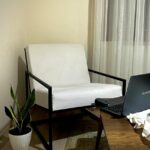
If space allows, add a comfortable chair or cushion area for short breaks. Use this spot to stretch or meditate during your workday.
Practice Mindfulness
Incorporate breathing exercises or short mindfulness moments to reduce stress and refresh your mind.
Maintain Air Quality and Temperature
A well-ventilated and temperature-controlled room helps maintain comfort. Use air purifiers if needed, and adjust heating or cooling to keep your workspace pleasant.
Final Thoughts
Designing a relaxing home office is about balancing functionality with comfort and aesthetics. Prioritize a space that supports your work habits and nurtures your well-being. By following these tips, you can create an inviting workspace that makes working from home a positive and productive experience.