








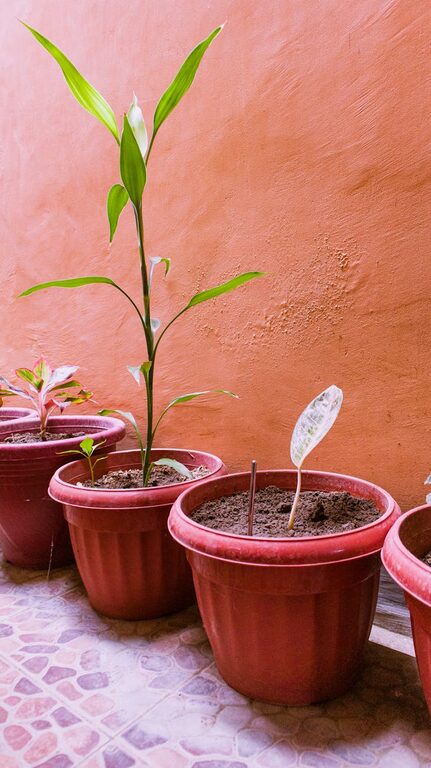
Creating a sustainable home garden is a rewarding way to connect with nature, grow your own food, and reduce your environmental impact. By planning thoughtfully and incorporating eco-friendly practices, you can enjoy a thriving garden throughout the year. This guide offers practical tips to help you build a garden that lasts, supports biodiversity, and uses resources wisely.
Why Choose a Sustainable Garden?
Sustainability in gardening means taking care of the soil, water, plants, and wildlife so your garden can flourish naturally without harming the environment. A sustainable garden:
– Conserves water and reduces waste
– Supports local ecosystems and wildlife
– Minimizes the use of chemical fertilizers and pesticides
– Promotes healthy, nutrient-rich soil
– Saves money by growing your own produce
By focusing on sustainability, you not only enjoy fresh fruits, vegetables, and flowers but also contribute positively to your community and planet.
Planning Your Sustainable Garden
Assess Your Space and Climate
Start by understanding your gardening area. Consider:
– Sunlight exposure (full sun, partial shade, shade)
– Soil type and quality
– Local weather patterns and rainfall
– Available space (containers, raised beds, traditional plots)
Knowing these factors helps you choose plants that will thrive naturally in your conditions, reducing the need for extra water or fertilizers.
Choose Native and Climate-Appropriate Plants
Native plants are adapted to your region’s climate and soil, making them easier to grow and maintain sustainably. They often require less water, fewer fertilizers, and provide food and shelter for local pollinators and wildlife.
For edible gardens, select vegetables and herbs suited to your climate and growing season. Crop rotation and planting seasonal varieties keep your soil healthy throughout the year.
Building Healthy Soil
Soil is the foundation of any garden. Healthy soil supports strong plants and reduces the need for chemical interventions.
Compost Regularly
Add kitchen scraps, yard waste, and leaves to a compost bin or pile to create nutrient-rich compost. This natural fertilizer improves soil structure, moisture retention, and adds essential nutrients.
Mulch Your Beds
Apply organic mulch such as straw, wood chips, or shredded leaves to garden beds. Mulch helps retain moisture, suppress weeds, and adds organic matter as it decomposes.
Avoid Chemical Fertilizers
Instead of synthetic fertilizers, use natural alternatives like compost tea, worm castings, or well-rotted manure to nourish your plants without harming beneficial soil microbes.
Water Wisely
Water conservation is key to sustainability.
Collect Rainwater
Install rain barrels to capture and store rainwater for garden use. This reduces reliance on municipal water and lowers your water bills.
Use Drip Irrigation or Soaker Hoses
These methods deliver water directly to plant roots, minimizing evaporation and runoff compared to overhead sprinklers.
Water Early or Late
Water your garden in the early morning or late evening to reduce evaporation and help plants absorb moisture better.
Maintain Biodiversity
A diverse garden is more resilient and supports beneficial insects and pollinators.
Plant a Variety of Species
Include flowers, herbs, vegetables, and shrubs that bloom or produce at different times of the year. This continuous bloom cycle attracts bees, butterflies, and other helpful insects.
Create Habitats for Wildlife
Leave some natural areas for insects and birds. Install birdhouses, bee hotels, or small ponds to encourage wildlife to visit your garden.
Avoid Pesticides and Herbicides
Use natural pest control methods such as companion planting, handpicking pests, or introducing beneficial insects like ladybugs instead of chemical sprays.
Plan for Year-Round Gardening
Use Succession Planting
Succession planting involves growing different crops in the same space one after another. This method maximizes your garden’s productivity by filling gaps between harvests.
Extend the Growing Season
Use row covers, cold frames, or greenhouses to protect plants from frost and extend the growing season in colder months.
Preserve Your Harvest
Freeze, dry, or can surplus produce to enjoy your garden’s bounty even when it’s not growing season.
Keep Your Garden Tools and Practices Sustainable
Choose Durable Tools
Invest in high-quality, durable garden tools that last rather than disposable or low-quality options.
Practice Minimal Tillage
Reduce soil disturbance by limiting tilling. This preserves soil life and structure essential for plant health.
Reuse and Recycle Garden Materials
Repurpose containers, pallets, and plant stakes when possible. Avoid single-use plastics you often find in gardening supplies.
Conclusion
Creating a sustainable home garden is an ongoing journey that benefits you and the environment. By planning carefully, choosing the right plants, nourishing your soil naturally, conserving water, and fostering biodiversity, you can enjoy a garden that grows healthily through every season. Start small, stay consistent, and watch your sustainable garden flourish year-round!